2026 model reference
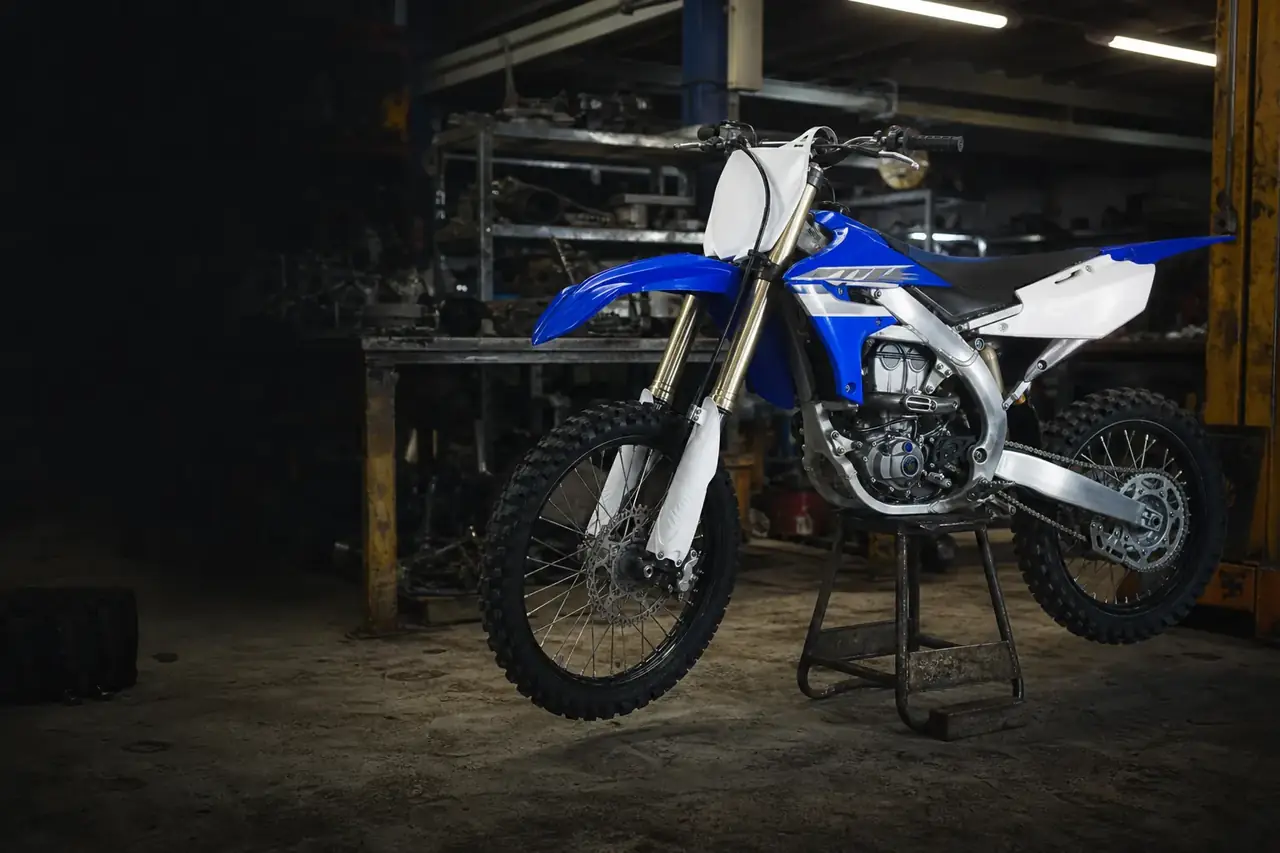
Yamaha YZ
Modern motocross workshop inspection.
Used dirt bike parts, wrecking enquiries and practical next steps for Australian riders, home mechanics and workshops.
Whether you are looking for a used component, moving on a non-runner or sorting out a collection, choose the service that fits the situation.
Used dirt bike components for repairs, rebuilds, restorations and workshop projects.
See service 02Parts ledger / dirt bike wreckingA practical assessment path for damaged, non-running, incomplete and dismantled dirt bikes.
See service 03Parts ledger / sell your dirt bikeMake a clear, no-pressure enquiry about a dirt bike you are ready to move on from.
See service 04Parts ledger / motorcycle removalsCoordinate a practical collection enquiry for a dirt bike that cannot be easily moved.
See service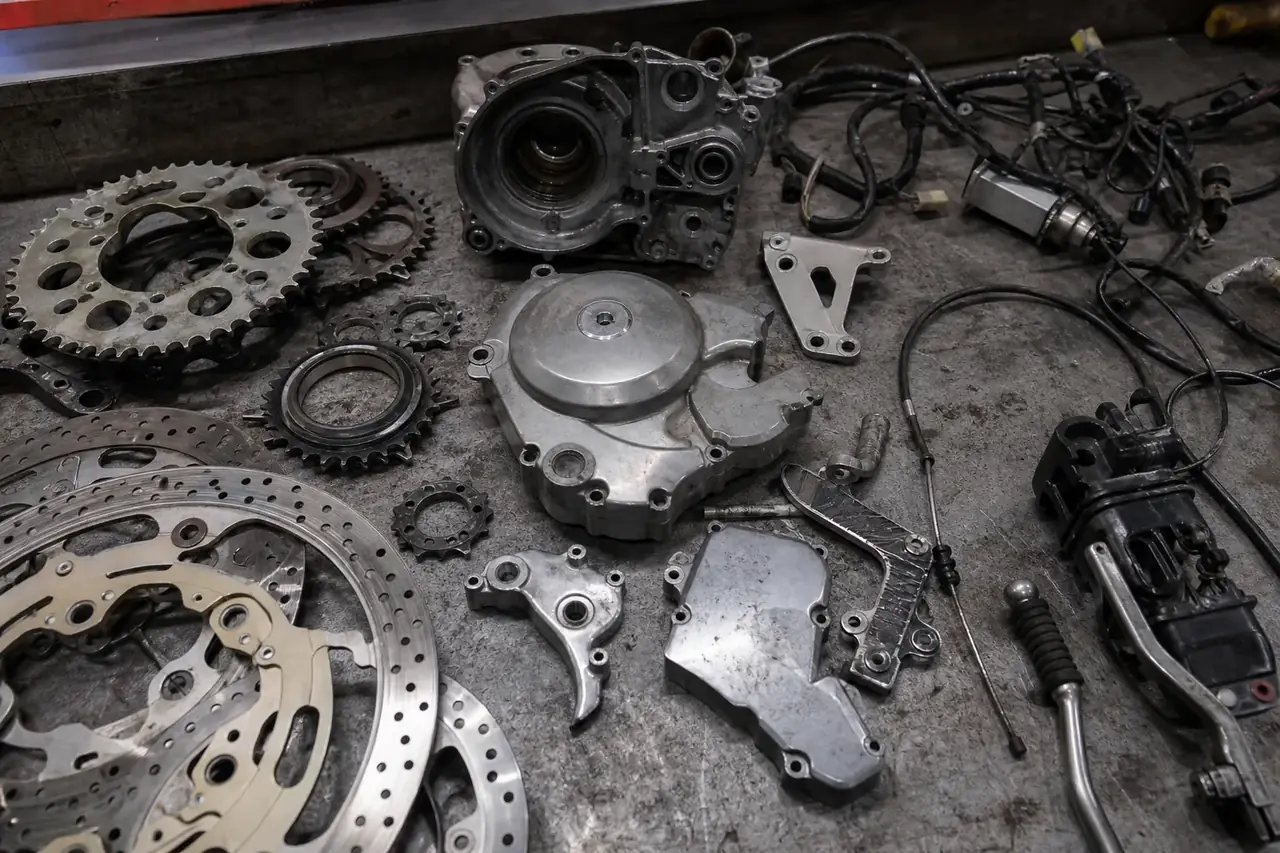 WORKBENCH / 02
Parts enquiries go further when they carry the details that matter. Start with the bike’s make, model, year, condition and the component you are chasing.
Modern motocross workshop inspection.
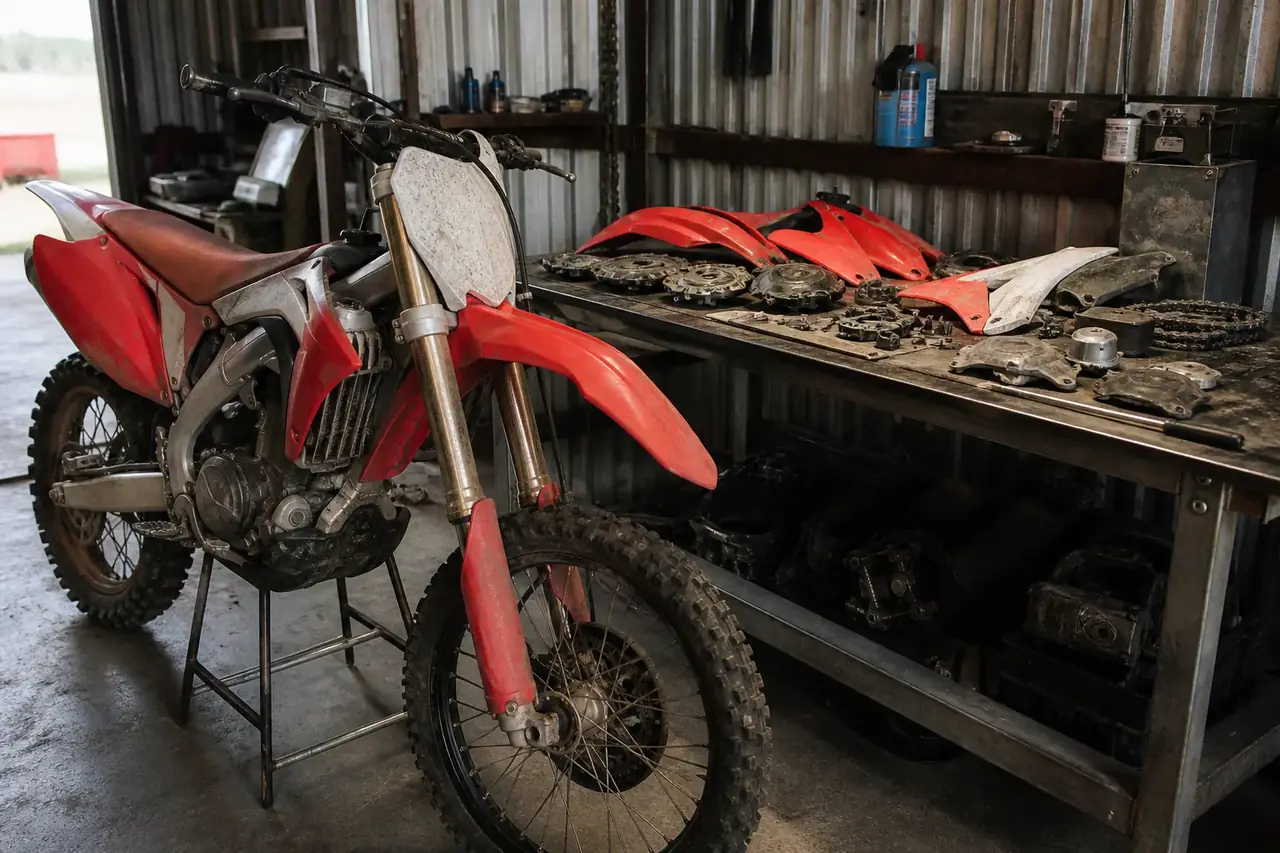
Parts-bench assessment in a working shed.
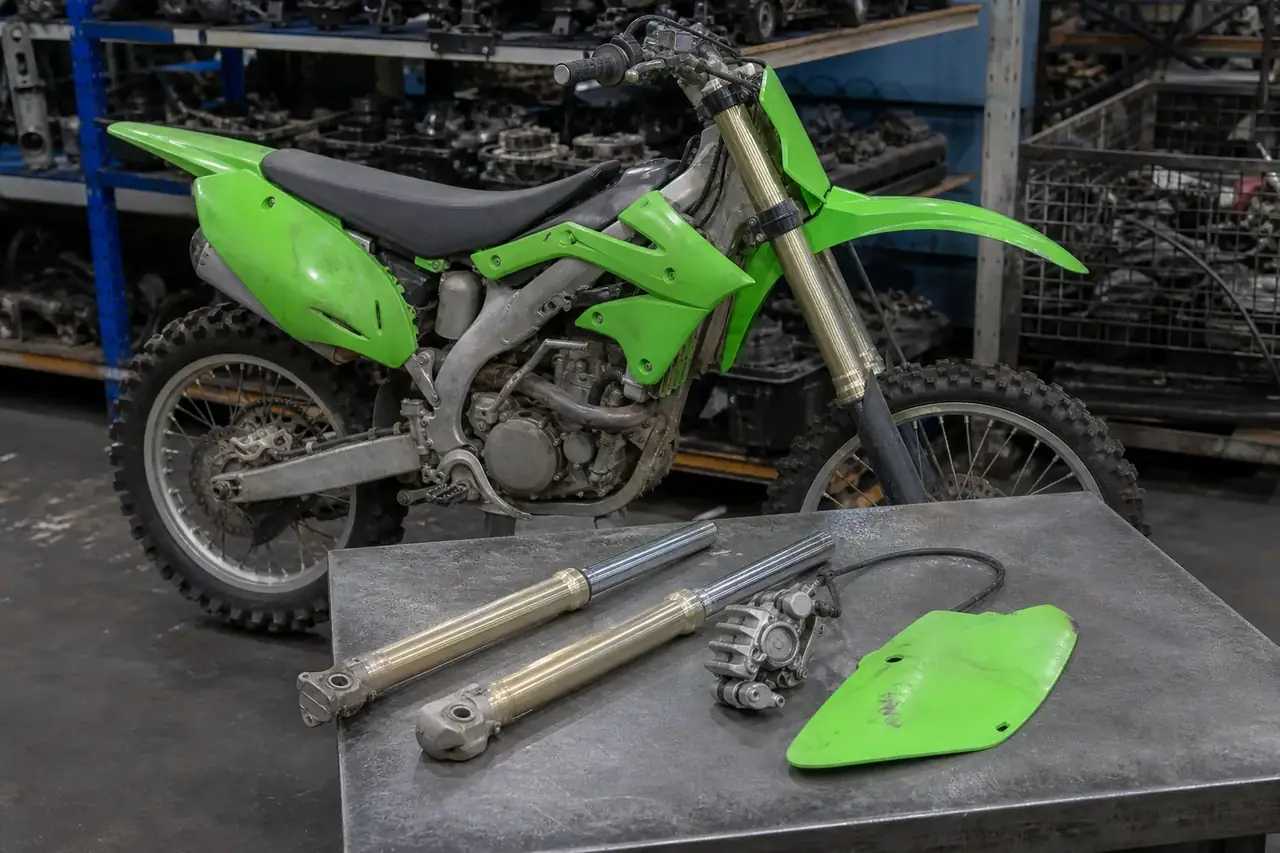
Component checks before a used-parts enquiry.
Dirt Bikes Wreckers is built around the practical jobs riders and workshops face: a repair paused by one damaged component, a project bike with missing hardware, or a non-running motorcycle that needs a sensible next step.
For a used dirt bike part, start with the make, model and approximate year, then name the area of the bike: front end, engine side, cooling system, rear linkage, controls, wheels or plastics. If the old component is removed, a quick description of the mounts, side and visible damage is often more useful than an uncertain part number.
For a damaged or non-running motorcycle, record what remains fitted and what has already been removed. A clear note about the engine, wheels, forks, frame, wiring, fuel tank and collection access gives a local wrecker enquiry the practical context it needs. Browse used dirt bike parts, dirt bike wrecking and motorcycle removals to choose the right path.
For Yamaha, Honda, KTM and Kawasaki projects, the make-and-model parts pages explain how to separate model-year information, original fitment and aftermarket changes before you submit an enquiry.
Compare wrecker servicesThe goal is not to load the form with jargon. It is to give a parts, wrecking or collection conversation enough real-world detail to begin in the right place.
Share the make, model, approximate year and any frame, engine or owner information you have available. If the bike is a mix of standard and aftermarket parts, say so.
Explain whether you are repairing a crash, rebuilding a project, replacing a worn item or deciding what to do with a non-runner. The repair context helps distinguish the component from the broader bike.
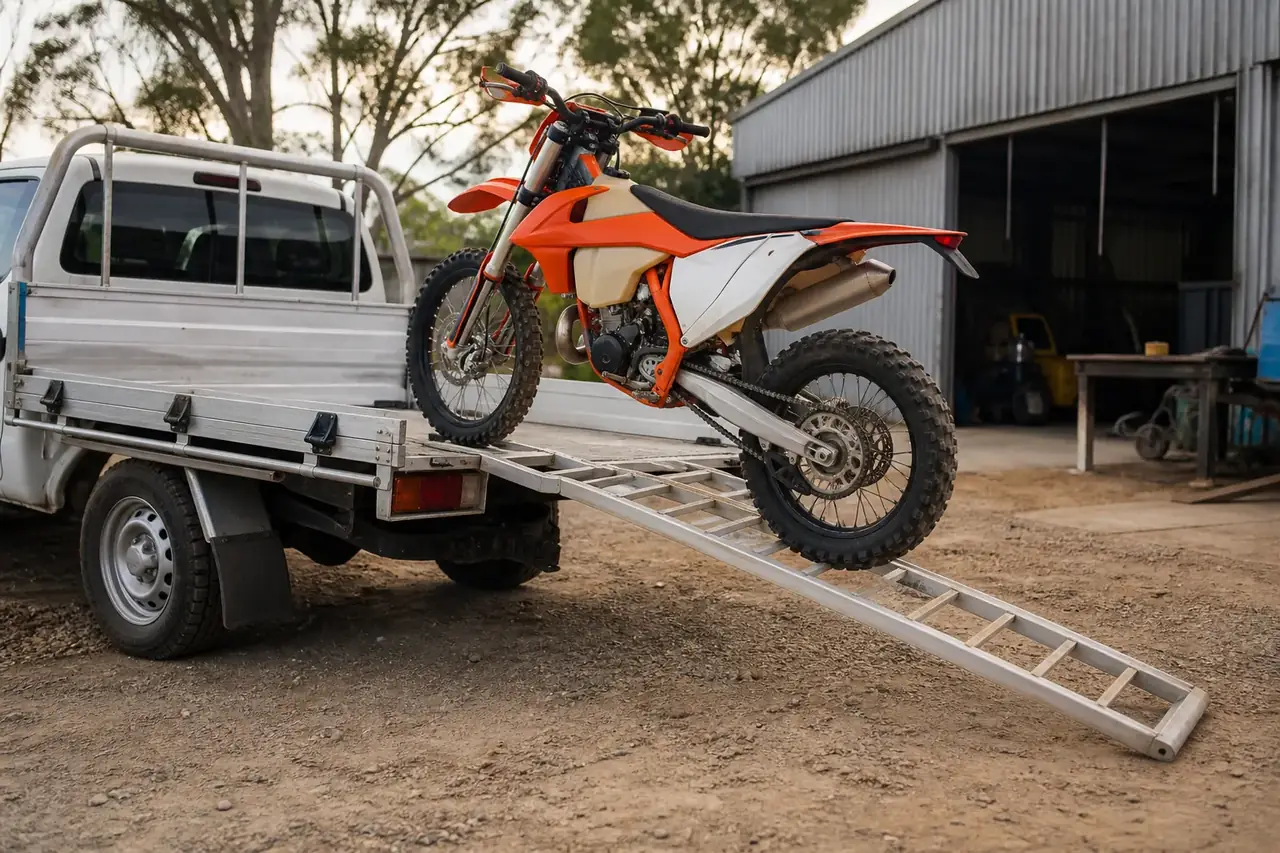
Add the city or postcode and, for a bike that needs moving, the access conditions. A workshop driveway, a rear shed or a rural property can each affect the practical next conversation.
These answers explain the practical information that helps a wrecking, used-parts or freight conversation begin. They do not replace a check of the actual motorcycle or component.
Dirt bike wrecking starts with the motorcycle’s identity, condition and major assemblies. A wrecker enquiry can concern a damaged bike, an incomplete project or a machine that is no longer practical to repair. The useful first details are the make, model, approximate year, what remains fitted and where the bike is kept.
Start with the bike’s make, model and approximate year, then describe the original component by its position and job. For example, note whether it is a left-side engine cover, front brake caliper, fork leg, rear hub or radiator shroud. Photos of the old part can help, but a clear written description is still valuable.
Australia-wide shipping can be discussed when the component, destination postcode, size, weight, packaging and available carrier options are known. A parts enquiry should include the delivery city or postcode. Shipping suitability, timing and cost need to be confirmed against the actual component rather than assumed in advance.
A used component should be considered against the exact model year and the original part details. A similar model name is not enough to confirm compatibility. Include the year, component location, mounting details and any aftermarket changes so the fitment question starts with the right comparison points.
Yes. A non-running bike does not need a full diagnosis before an enquiry. Explain what happened, what components are still with the bike, whether it rolls and where it can be accessed. That gives the wrecking, parts or removal conversation practical context from the start.
Large components such as engines, wheel sets, forks and frames need a separate freight assessment because handling and packaging differ from smaller controls or plastics. Include the destination postcode and the exact component so the available shipping approach can be considered properly.
Browse the city directory to find a detailed local page and make an enquiry with your location already in view.
Send the location, access details and the condition of the dirt bike. It is the practical first step for a removal or wrecking enquiry.